
Genius Lio Guard XS-Box 1 Advanced Storage/Transport Box Plastic container for lithium-ion batteries


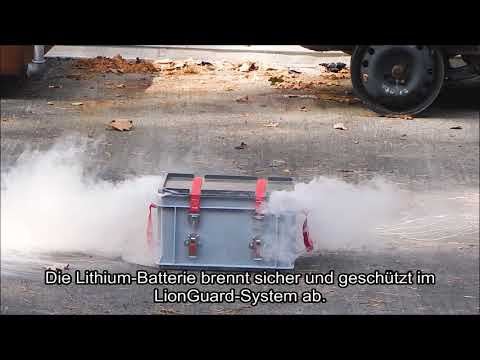
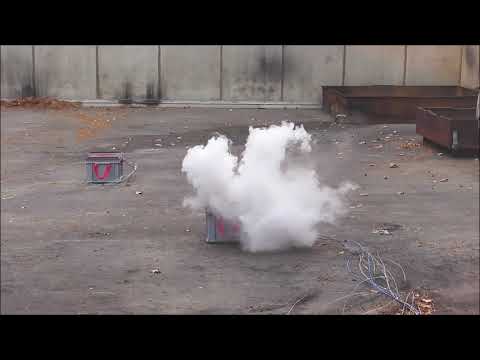
- Also for defective batteries
- External dimensions: 400 x 300 x 235 mm
- Max. energy density: 0.65 kWh
- Max. battery size: approx. 284 x 184 x 125 mm
- Includes PyroBubbles
Do you have some questions about this product?
- Your personal contact person
- Name: Petra Fürbeck
- E-Mail: info@lion-care.com
- Phone: +49 (0) 7151 - 256 4817
Technical data
| Applications areas: | Garden tool batteries, Loose cells, Model building batteries, Prototypes |
|---|---|
| Battery status: | New, Defective |
| Encoding: | 4H2 |
| Filling material: | PyroBubbles® |
| Handling filling material: | Shaking |
| Included filler material: | PyroBubbles® (bulk material) |
| Internal dimensions (mm): | 294 x 194 x 135 |
| Material: | Plastic |
| Material designation: | Polypropylene (PP) |
| Max. battery size (mm): | 284 x 184 x 125 |
| Max. gross weight (kg): | 13 |
| Maximum energy density (kWh): | 0.65 |
| Outer dimensions (mm): | 400 x 300 x 235 |
| Packaging group: | I, II and III |
| Packaging instruction according to ADR: | P 903, P 908, P 909, P 910 |
| Suitable for critically defective?: | No |
| Tipping weight (kg): | 3.7 |
| Type: | Storage box |
| UN packaging code: | UN 4H2/X13/S/yy/B/UTZ-000014 |
| Volume (l): | 17 |
| max. net cargo mass (kg): | 9.3 |
Product information „Genius Lio Guard XS-Box 1 Advanced Storage/Transport Box“
The Lio Guard XS-Box 1 Advanced plastic transport container presented here is the ideal solution for users who are looking for a reliable way to transport or store lithium batteries/lithium-ion batteries with substance numbers UN3090, UN3091, UN3480 and UN3481 in compliance with regulations and the latest standards. In addition to storing intact lithium batteries, the Lio Guard XS-Box 1 Advanced transport container is particularly suitable for damaged cells, which pose a significant hazard during both transport and storage. The Advanced series is characterised by the fact that the container is filled with loose bulk material. This is particularly helpful when there is a risk of electrolyte leakage. The plastic containers in the Lio Guard series are ideal for applications such as e-bike batteries, power tools and laptops that use lithium-ion batteries.
Size and capacity of the battery transport container
The Lio Guard XS-Box 1 Advanced transport container has a volume of 17 litres and can hold 9.3 kg of dangerous goods with dimensions of 284 x 184 x 125 mm. The empty weight is 3.7 kg, with a maximum gross weight of 13 kg. This is the smaller of two models in the XS series of Lio Guard plastic transport containers. Compared to the Basic series, these containers feature a removable powder-coated steel basket that makes it easier to remove the lithium-ion cells.
The battery container is extremely handy and versatile. The Lio Guard XS-Box 1 Advanced transport and storage container is particularly compact with external dimensions of 400 x 300 x 235 mm and internal dimensions of 294 x 194 x 135 mm (length x width x height), making it ideal for use in confined spaces and with a small number of lithium-ion batteries. In addition, the boxes are stackable and therefore take up minimal storage space. The container is made of robust polypropylene and can be used in a temperature range from -20°C to 80°C. Storage should be between 15°C and 30°C. Based on experience with commercially available and everyday lithium-ion batteries, the total capacity of all batteries stored in the GENIUS XS-Box 1 Advanced should not exceed 0.65 kWh in total.
A coordinated system through the use of PyroBubbles ®
Individual and expensive transport solutions can be replaced by using this economical and standardised product. The boxes are permanently reusable and are available in Basic, Advanced and Premium versions. The box is filled with the fire protection agent PyroBubbles ®, which forms a closed and thermally insulating layer around a source of fire. This version of the box comes with 1 bag weighing 12.5 kg (50 litres), which is used to fill the box. Tension straps with quick-release fasteners ensure that the lid remains closed. Even in the event of a chain reaction (thermal runaway), the surrounding area is reliably protected.
Direct comparison of the XS-Box 1 variants
| XS-Box 1 Basic | XS-Box 1 Advanced | XS-Box 1 Premium | |
| External dimensions | 400 x 300 x 235 mm | 400 x 300 x 235 mm | 400 x 300 x 235 mm |
| Internal dimensions | 358 x 258 x 177 mm | 294 x 194 x 135 mm | 298 x 198 x 129 mm |
| Volume | 17 l | 17 l | 17 l |
| Empty weight | 1.9 kg | 3.7 kg | 6.6 kg |
| Material | Polypropylene (PP) | Polypropylene (PP) | Polypropylene (PP) |
| Filling material | PyroBubbles filling cushions | PyroBubbles as loose bulk material | PyroBubbles as loose bulk material and filling cushions |
| UN packaging code | UN 4H2/X13/S/yy/B/UTZ-000014 | UN 4H2/X13/S/yy/B/UTZ-000014 | UN 4H2/X13/S/yy/B/UTZ-000014 |
| Type approval | Packaging group II | Packaging group II | Packaging group II |
| Packaging instructions | P 903, P 908, P 909, P 910 | P 903, P 908, P 909, P 910 | P 903, P 908, P 909, P 910 |
| ADR special provisions | SV 310, SV 376, SV 377 | SV 310, SV 376, SV 377 | SV 310, SV 376, SV 377 |
Certification and guidelines
Lithium batteries fall under dangerous goods class 9, which means that the goods pose a significant risk to the environment during transport. Numerous regulations and guidelines must therefore be observed when transporting lithium batteries. The transport boxes in the Lio Guard series have been specially designed to meet the most stringent safety regulations.
Certified for packaging group II
The containers in the Lio Guard series meet the requirements of packaging group II, which means that substances with a medium hazard potential may be transported in them. To achieve this classification, the box must be type-tested and withstand a drop height of 1.2 metres.
Suitable for transport in accordance with SV 376 of the ADR and packaging instruction P 908
All lithium-ion cells or batteries and lithium metal cells or batteries that have been damaged and no longer comply with the applicable regulations in accordance with their manual must comply with the provisions of Special Provision 376 (SV 376). This applies, for example, to cells that have leaked or degassed, suffered external or mechanical damage, or have been identified as defective for safety reasons, or could not be diagnosed prior to transport. These cells must then be packed in accordance with packing instruction P 908. According to this guideline, it must be ensured, for example, that any electrolyte that is released is absorbed and that a non-electrically conductive thermal insulation material protects the environment from dangerous heat build-up.
For storage, transport and recycling in accordance with SV 377 of the ADR and packaging instruction P 909
Special provision SV 377 regulates the transport of lithium-ion cells or batteries and lithium metal cells or batteries that are being transported for disposal or recycling. Similar to packaging instruction P 908, P 909 requires compliance with guidelines for packaging group II. In addition, restrictions apply to the nominal energy and weight of lithium-ion cells and batteries.
Prototype transport according to SV 310 of the ADR and packaging instruction P 910
Special provision SV 310 regulates the transport of prototypes of lithium-ion cells or batteries and lithium metal cells or batteries. Packaging instruction P 910 then specifies requirements for packaging and dangerous goods mass, among other things.
VdS 3103 : 2019-06 (03) - Lithium batteries
To date, there are no legal requirements for the storage and provision of lithium batteries in public spaces.
The following publication offers recommendations for preventing damage when supplying lithium batteries in production and storage areas. It describes the most important findings from fire tests on storage and provision.
Click here to access the German Insurers Association (GDV e.V.) publication on damage prevention
Future-oriented
Lithium-ion batteries will become indispensable in all industrial applications in the coming years. However, if used improperly, these batteries can pose a potential hazard that should not be underestimated during manufacture, storage and transport. By purchasing these boxes, you can protect yourself against major financial losses right from the start. International customers from the automotive and energy supply sectors, among others, rely on this proven technology.
Working for you
Please do not hesitate to contact us if you have any questions. We look forward to hearing from you!
| Applications areas: | Garden tool batteries, Loose cells, Model building batteries, Prototypes |
|---|---|
| Battery status: | New, Defective |
| Encoding: | 4H2 |
| Filling material: | PyroBubbles® |
| Handling filling material: | Shaking |
| Included filler material: | PyroBubbles® (bulk material) |
| Internal dimensions (mm): | 294 x 194 x 135 |
| Material: | Plastic |
| Material designation: | Polypropylene (PP) |
| Max. battery size (mm): | 284 x 184 x 125 |
| Max. gross weight (kg): | 13 |
| Maximum energy density (kWh): | 0.65 |
| Outer dimensions (mm): | 400 x 300 x 235 |
| Packaging group: | I, II and III |
| Packaging instruction according to ADR: | P 903, P 908, P 909, P 910 |
| Suitable for critically defective?: | No |
| Tipping weight (kg): | 3.7 |
| Type: | Storage box |
| UN packaging code: | UN 4H2/X13/S/yy/B/UTZ-000014 |
| Volume (l): | 17 |
| max. net cargo mass (kg): | 9.3 |